Revolutions
Revolutions
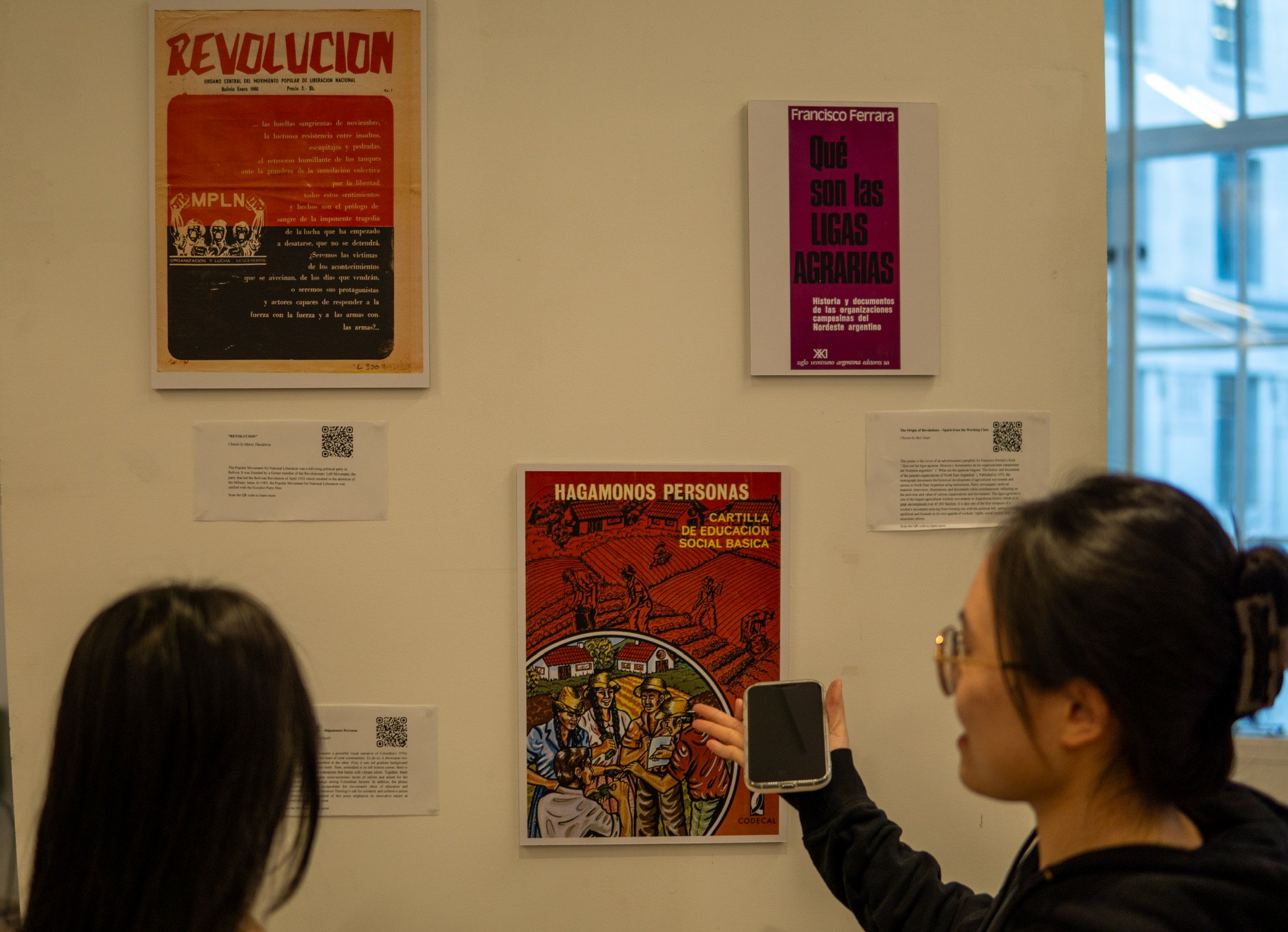
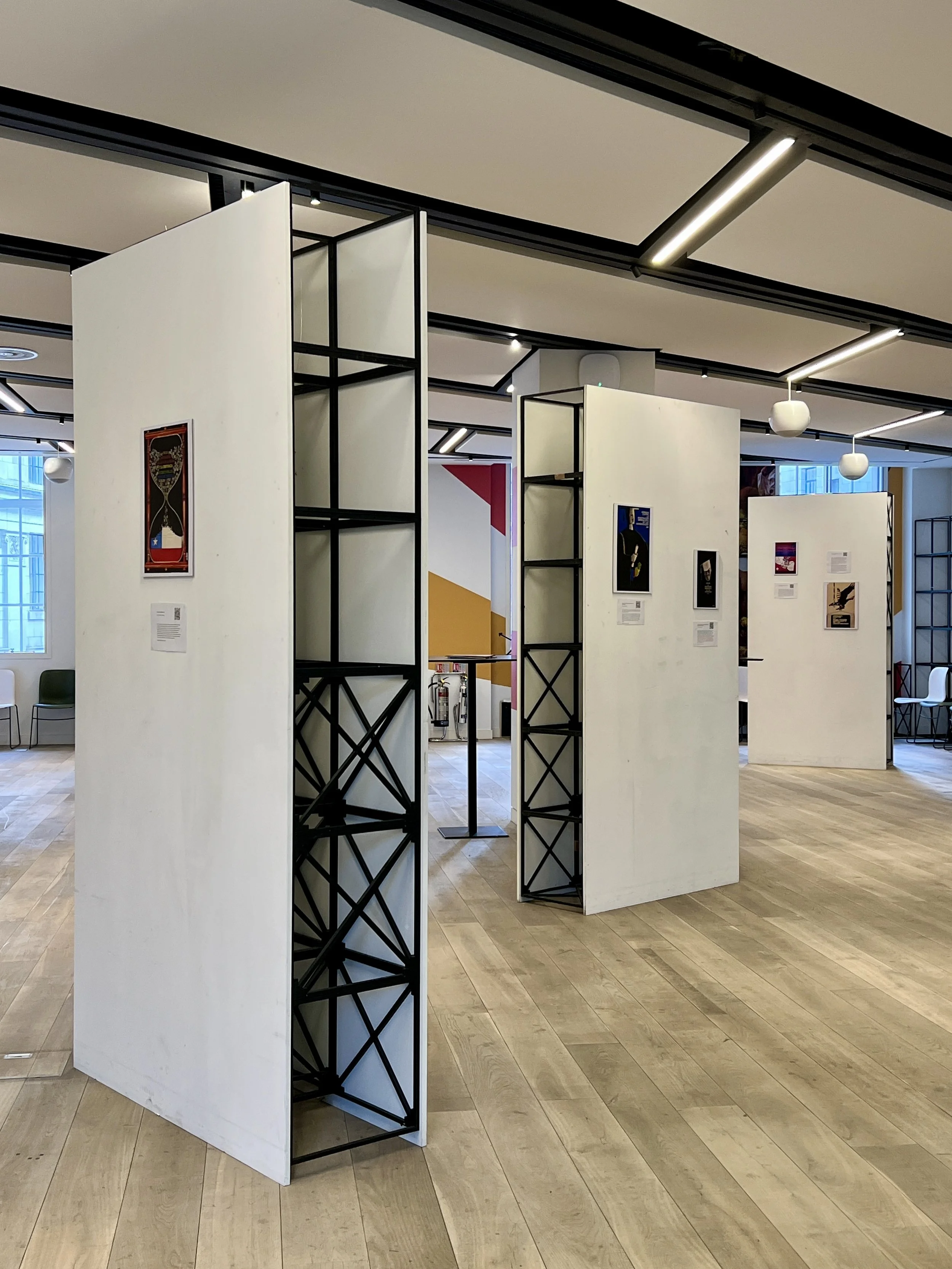
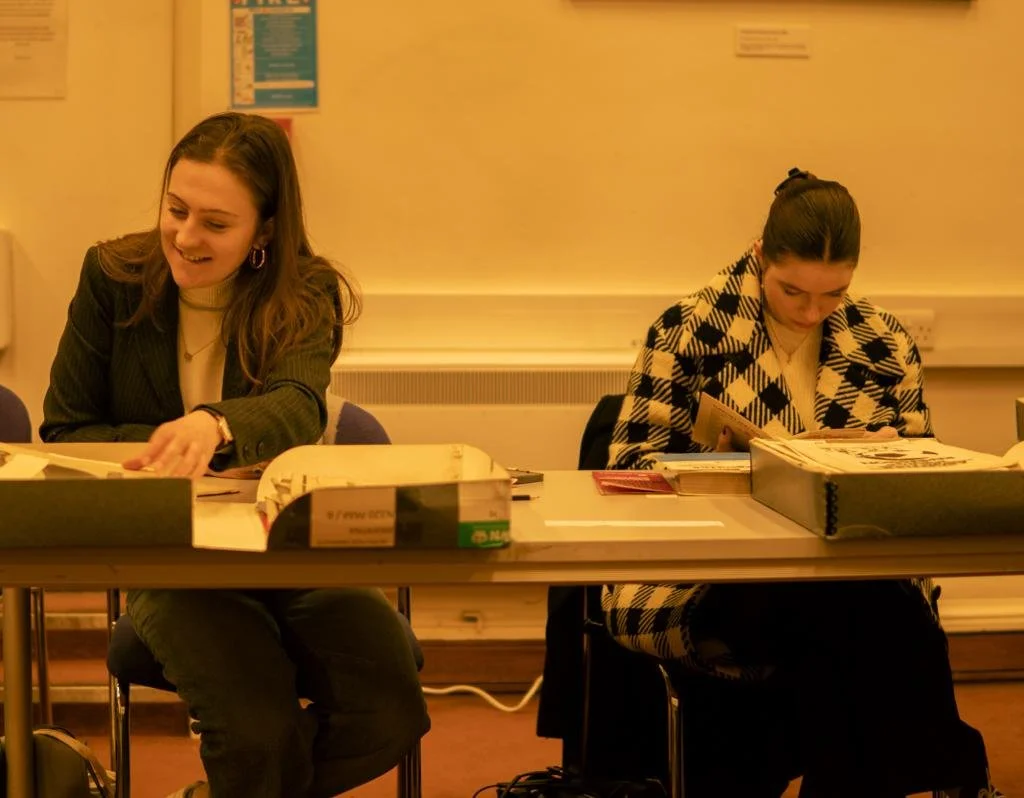
Following the success of 2023, in 2024 the project came back with its third edition and has as a theme the concept of ‘Revolutions’ in Latin America and how they are expressed at the Special Collections Latin American Political Pamphlets archive at Senate House Library.
We believe that this experience of ‘thinking inside the box’ provokes in everyone involved in the project - including you, our viewer – the sense of being part of a revolutionary dialogue, because “sooner or later, a true revolution must initiate a courageous dialogue with the people. Its very legitimacy lies in the that dialogue.” - Paulo Freire
The following posters are from London Senate House Library.
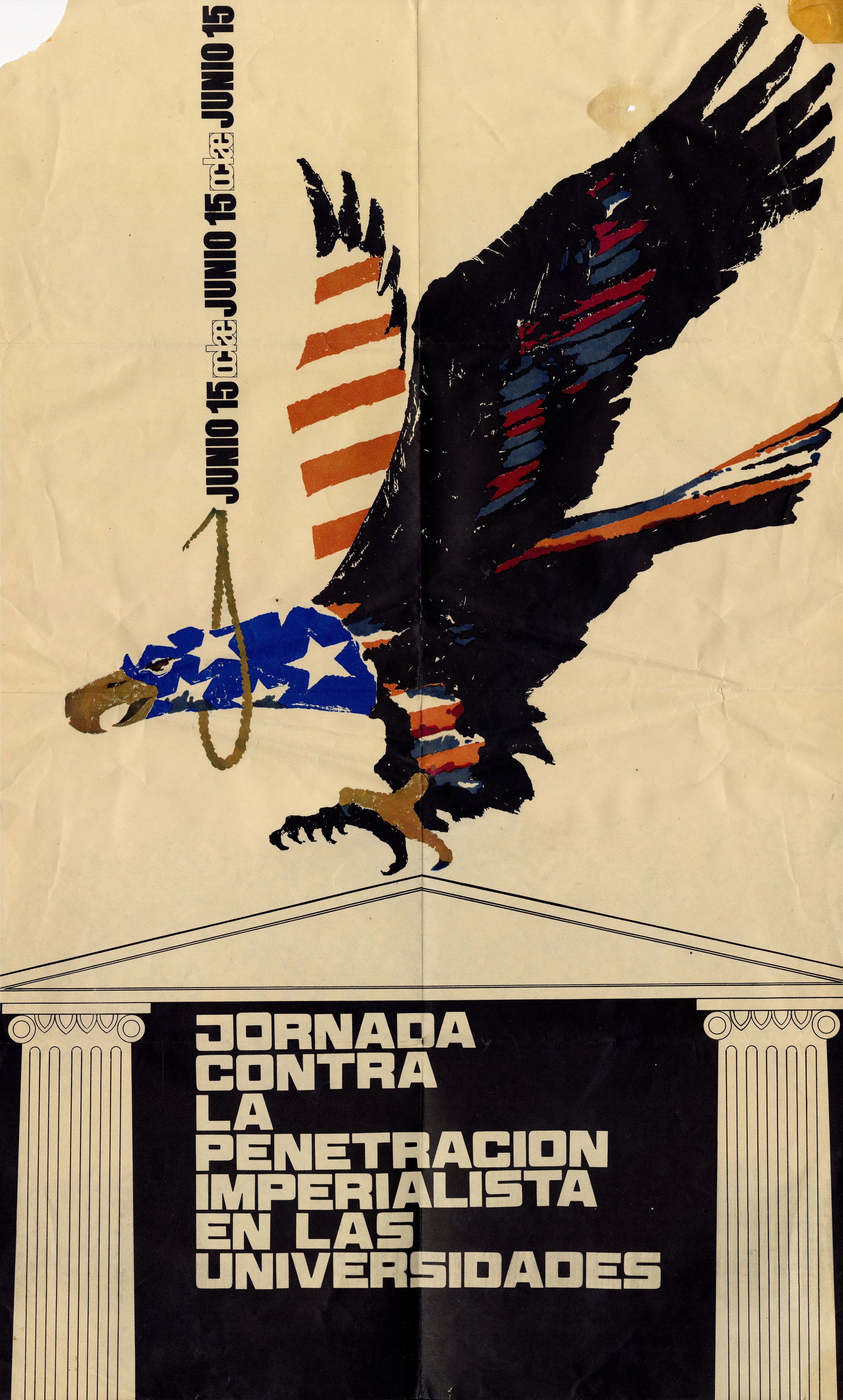


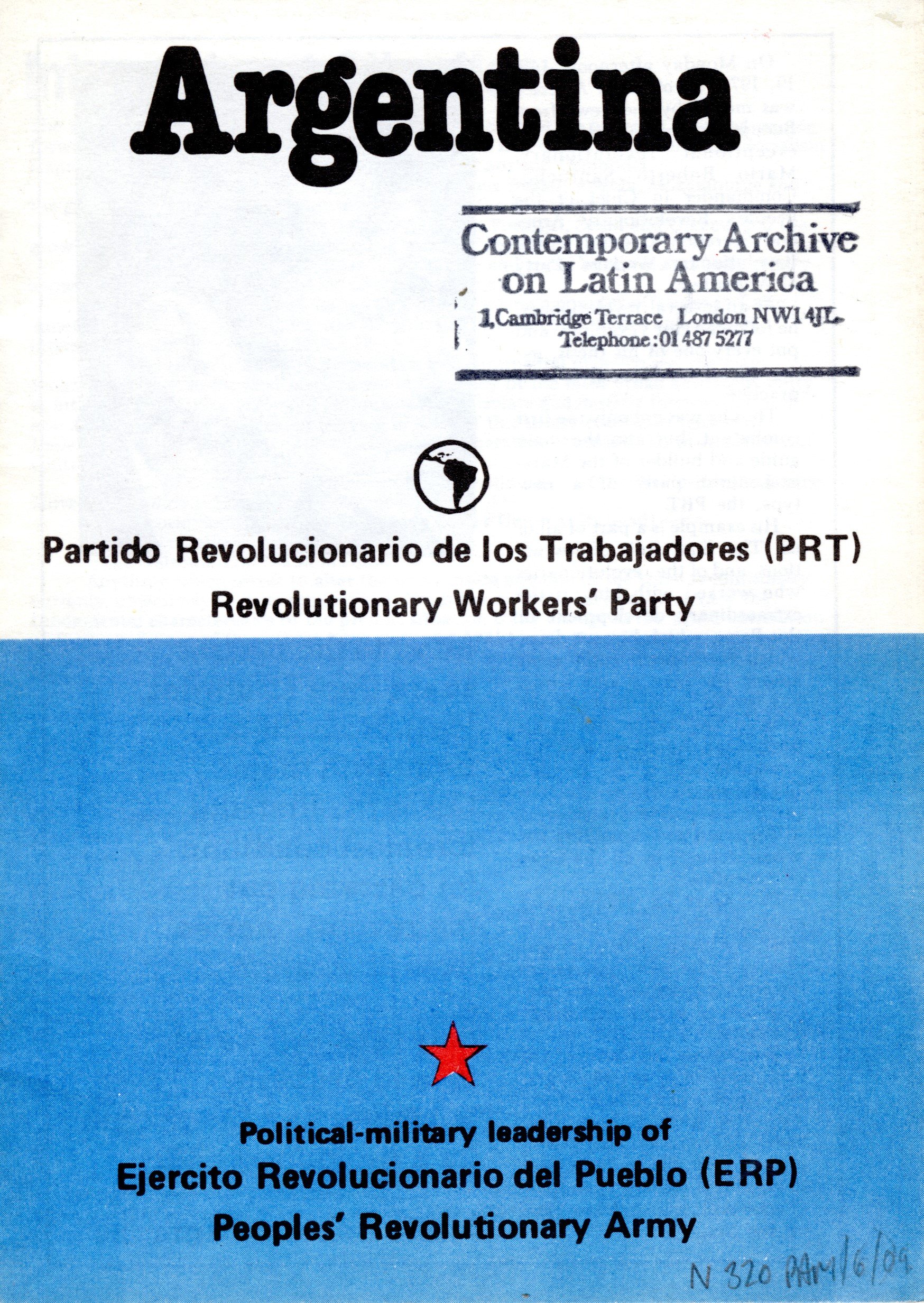
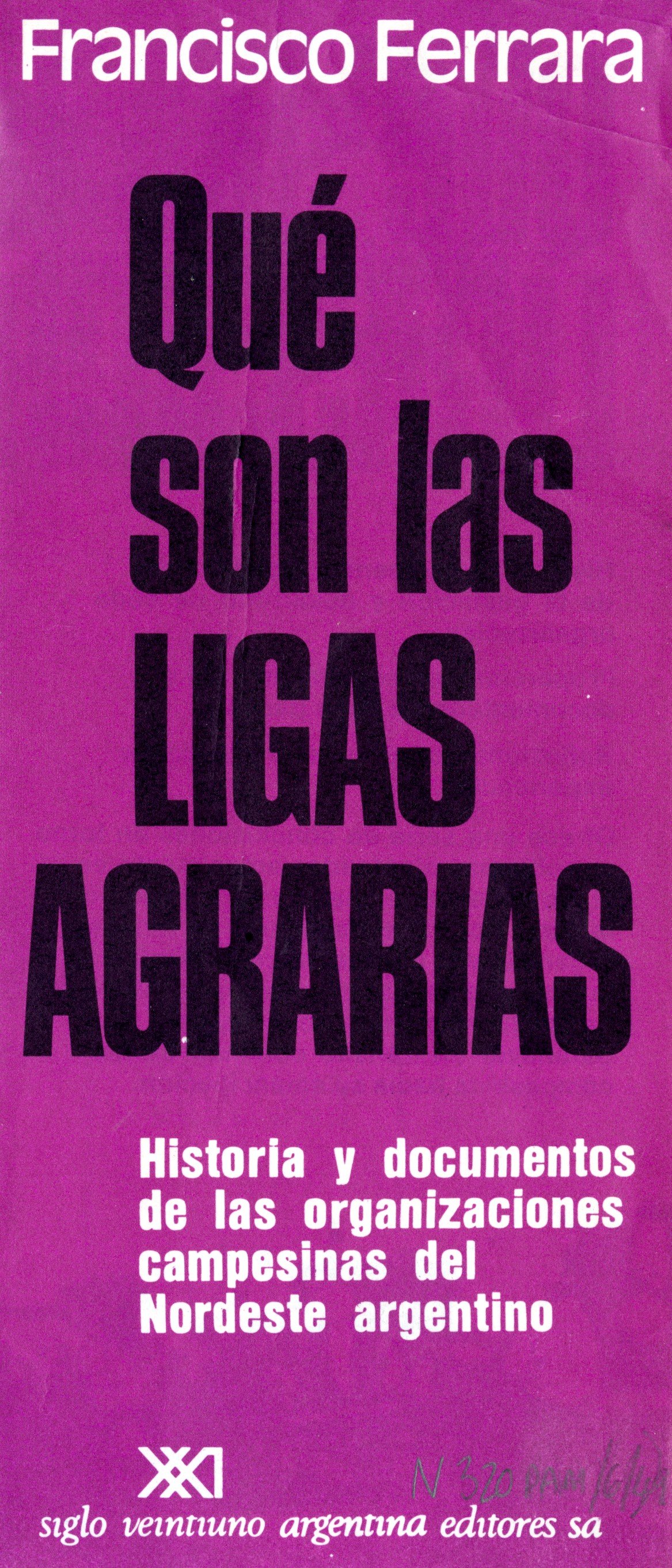


-
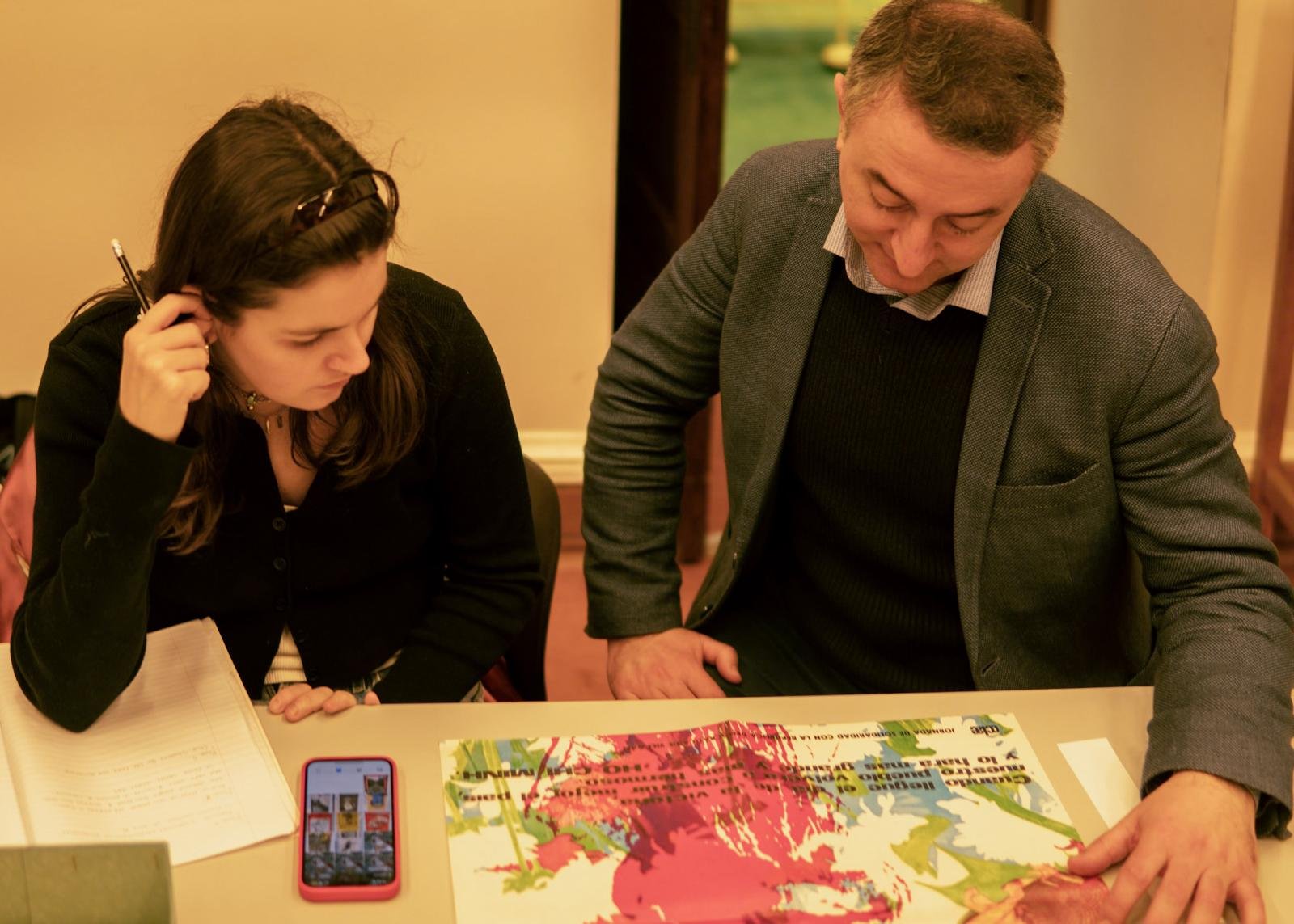
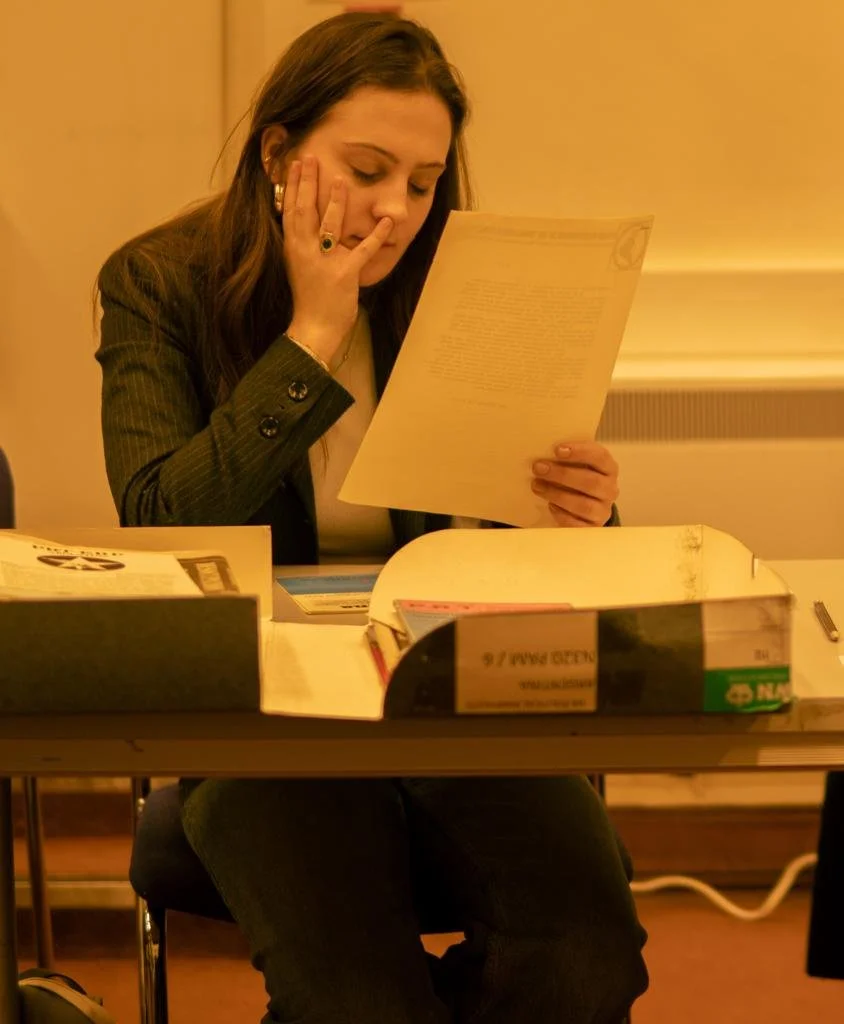
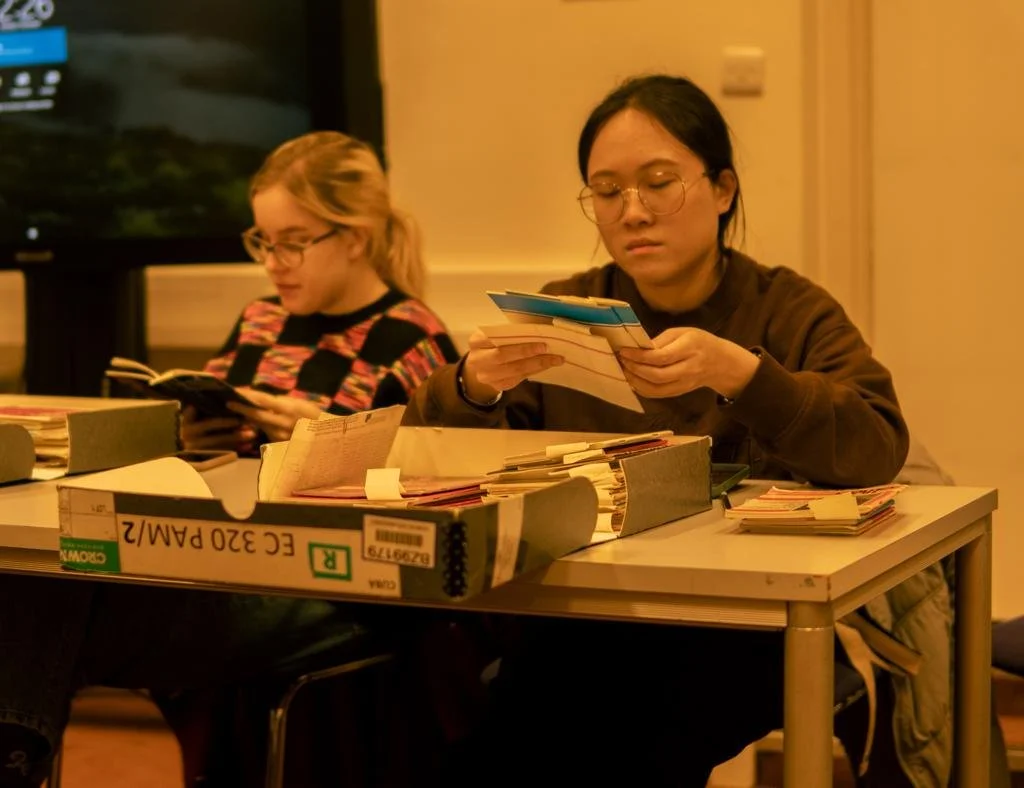
According to Paulo Freire, “[…] a revolution is achieved with neither verbalism nor activism, but rather with praxis, that is, with reflection and action directed at the structures to be transformed.” (2005, pp 125-6). The exercise of performing the posters and pamphlets of the collection where revolutionary because exactly reflection and action were required from each of the participants. What we see in this year’s exhibition is not only posters but exercises of dialogue that require the authors to question their worldview, express their interpretations, and propose also questions to the audience.
Students didn’t receive a ‘script’ about what they should or not explore in their interpretations of the material. As we intend to experiment with a revolutionary approach to education, we were very aware of Freire’s recommendation: “Manipulation, sloganizing, ‘depositing’, regimentation, and prescription cannot be components of revolutionary praxis, precisely because they are components of the praxis of domination.” (2005, p126). Dealing with pamphlets and posters with a clear political orientation and communication objectives, students engaged critically with their chosen artifact, not merely ‘accepting’ their messages, but scrutinizing their revolutionary content.
We believe that this experience of ‘thinking inside the box’ provokes in everyone involved in the project - including you, our reader – the sense of being part of a revolutionary dialogue, because “sooner or later, a true revolution must initiate a courageous dialogue with the people. Its very legitimacy lies in that dialogue.” (Freire, 2005, p128)
This project would be not possible without the participation and contribution of several actors and sponsors, all of them acknowledged on these pages. But the most important of them are the students engaged in the project this year. They dedicated an immense amount of work to making this dialogue a reality. They have been truly revolutionaries. They went beyond their boundaries, exploring a world – Latin America – not familiar to many of them, and experiencing the difficult combination of reflection and action. I don’t have enough words to thank them, to congratulate them, to express how much I am proud of them, and to measure how much they have taught me during the exercise of reenacting these posters. They remind me of the power of dialogue for humanization.
I finish with another Freire’s quotation that summarizes well the reasons why we engage in projects like Thinking Inside the box, a project of dialogue and transformation: “The dialogue which is radically necessary to revolution corresponds to another radical need: that of women and men as beings who cannot be truly human apart from communication, for they are essentially communicative creatures. To impede communication is to reduce men to the status of “things” – and this is a job for oppressor, not for revolutionaries.” (2005, p 129)
Vinicius Mariano de Carvalho
Freire, Paulo. Pedagogy of Oppressed. (Trad. Myra Bergman Ramos). Continuum: New York, 2005.
Thinking Inside The Box Podcast: Art, Culture & Revolutions in Latin America
-
![]()
Revolutions in Brazil: Football & Political Movements
Hosted by Maria Theodorou & Tomás Arvelo Delgado
-
![]()
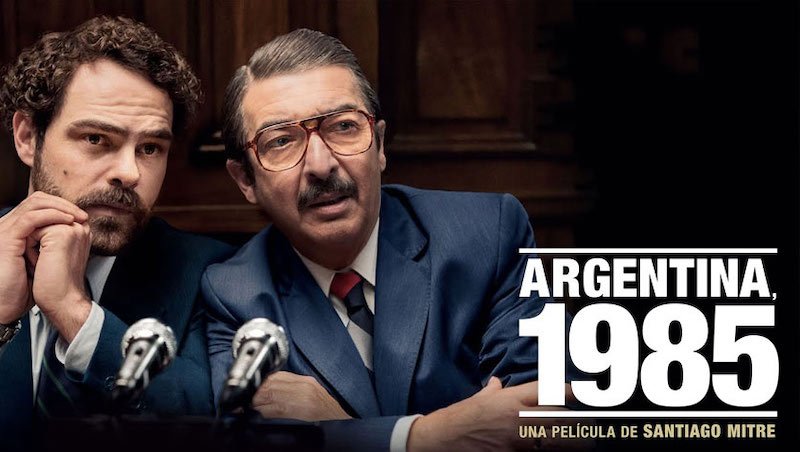
Film & revolutions: Discussion of ''Argentina 1985''
Hosted by Reti Tauts & Philipp Antony
-
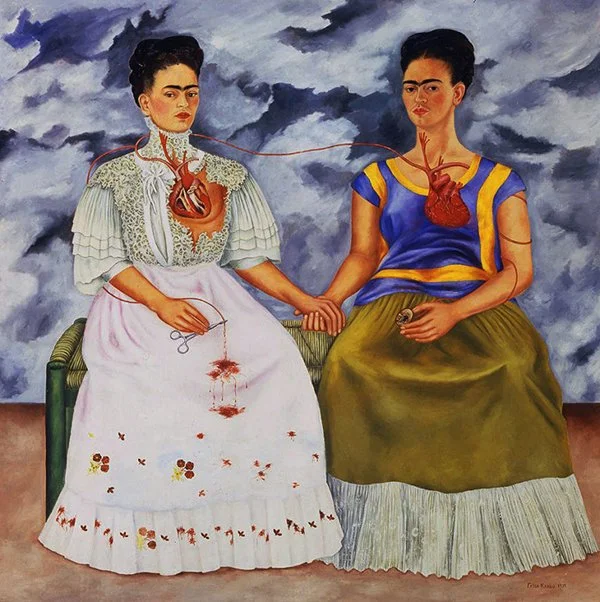
![Mexico & Frida Kahlo: Revolutionary themes in art]()
Mexico & Frida Kahlo: Revolutionary themes in art
Hosted by Maria Theodorou & Tomás Arvelo Delgado
-
![]()
Interview with Julio Cazzasa: Archiving Revolutions at the Senate House Library
Hosted by Reti Tauts & Agne Reketyte
Special Guest: Julio Cazzasa
-
![]()
The Revolution Continues: Past and Present of Latin American Students Movements
Hosted by Muzna Alhaj
Special Guest: Anabelen Rodriguez
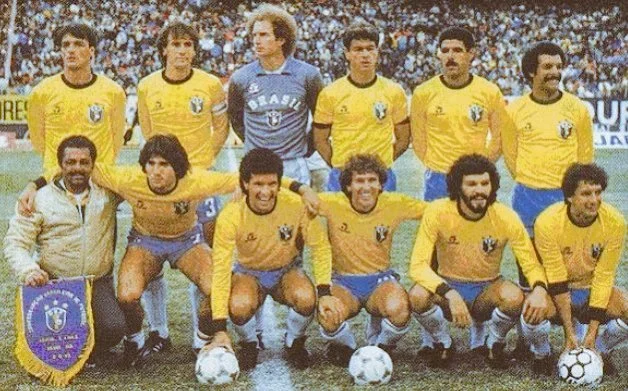


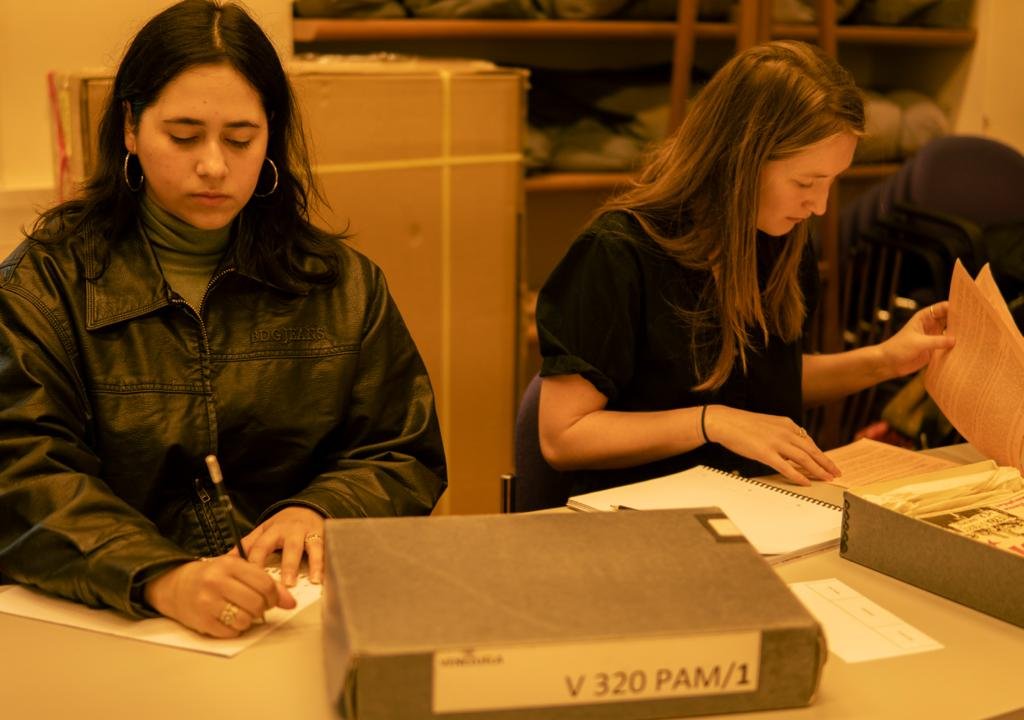
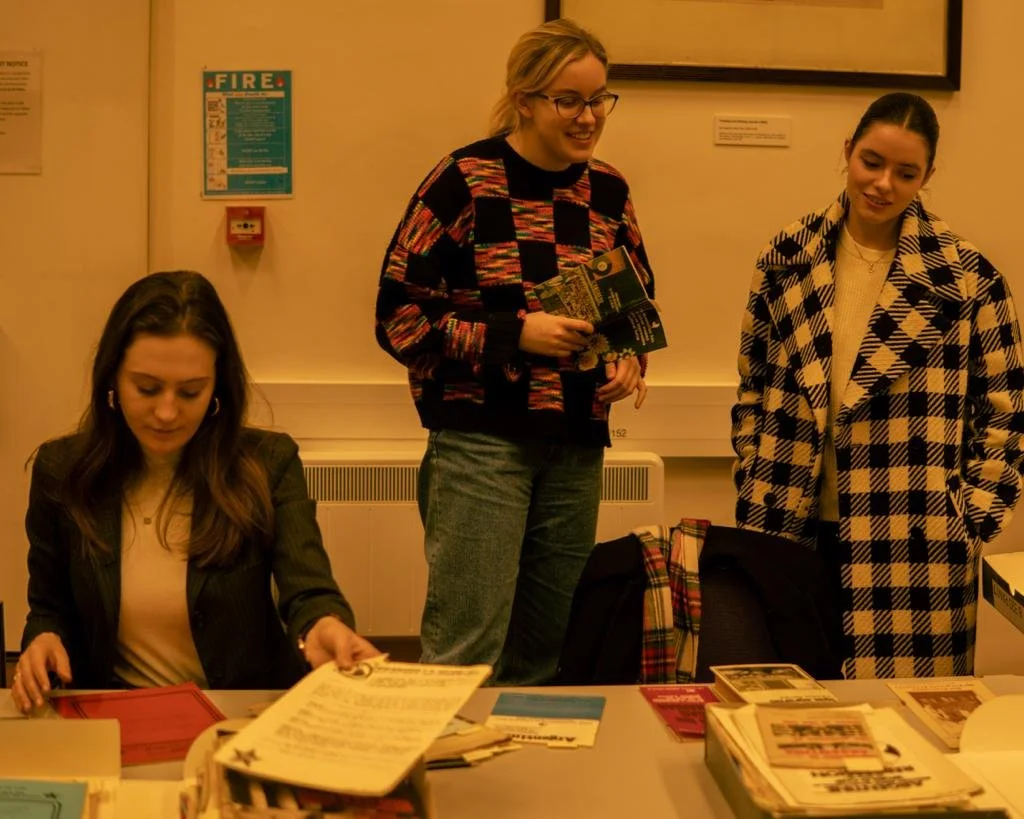
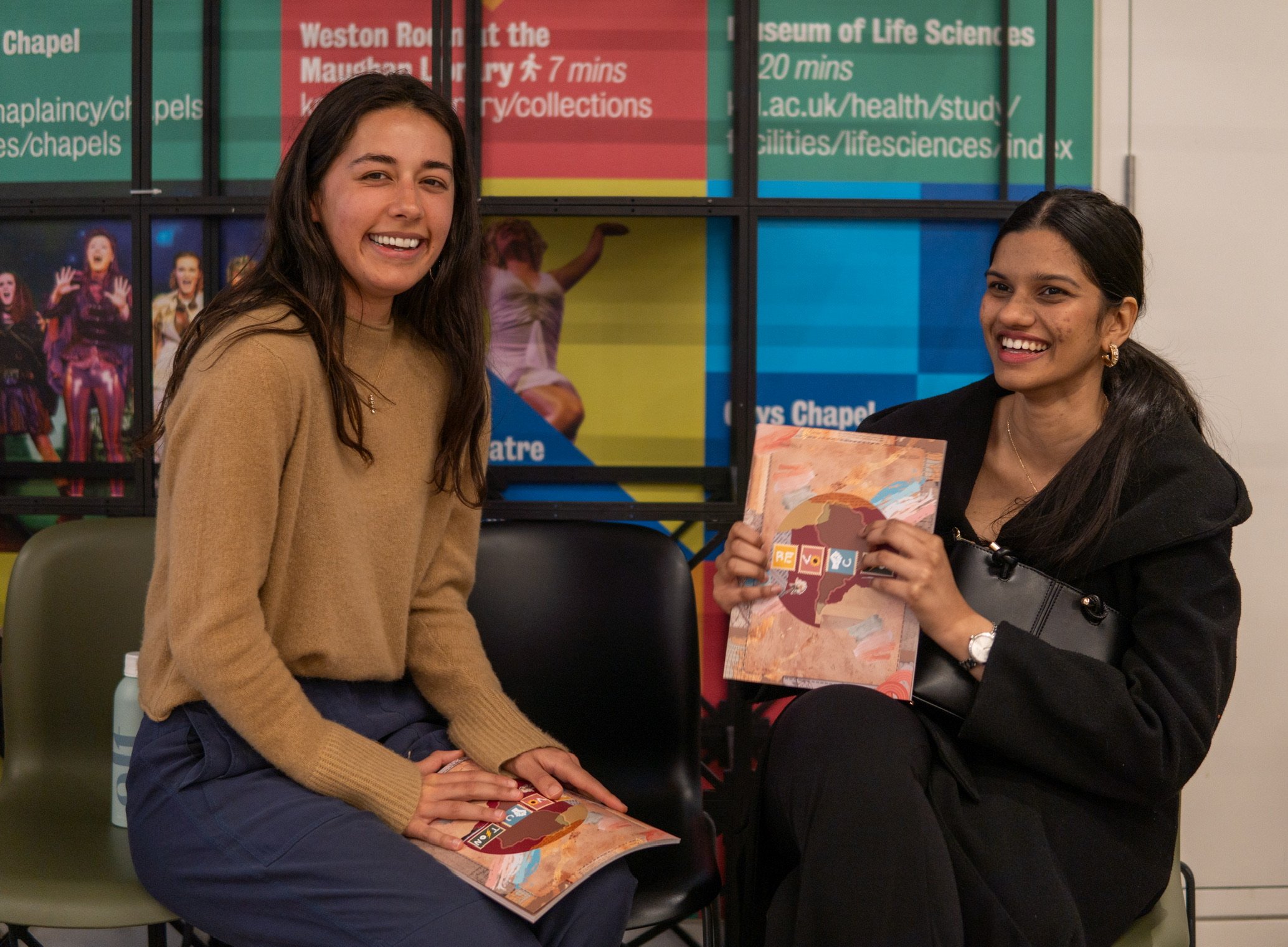
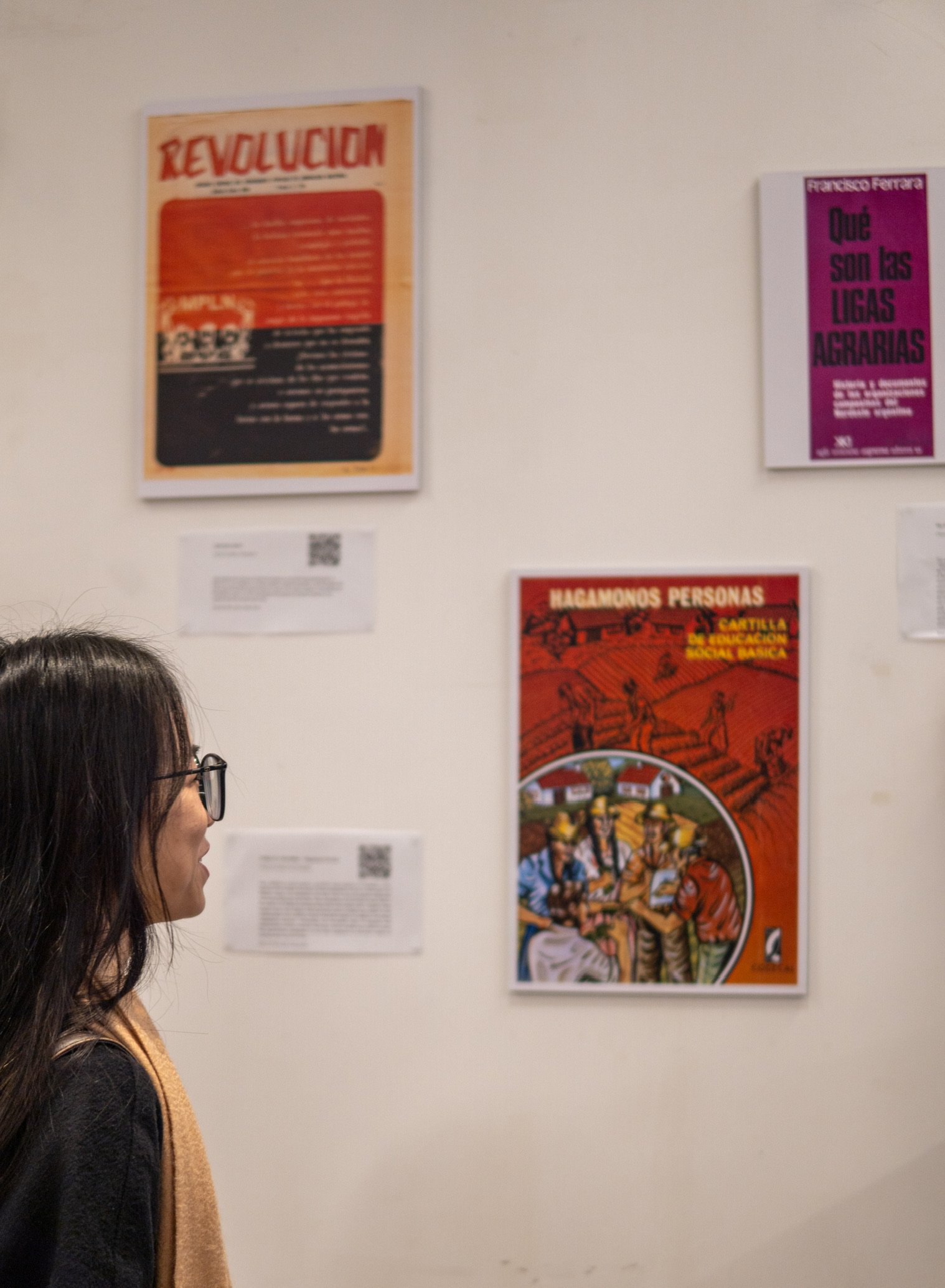

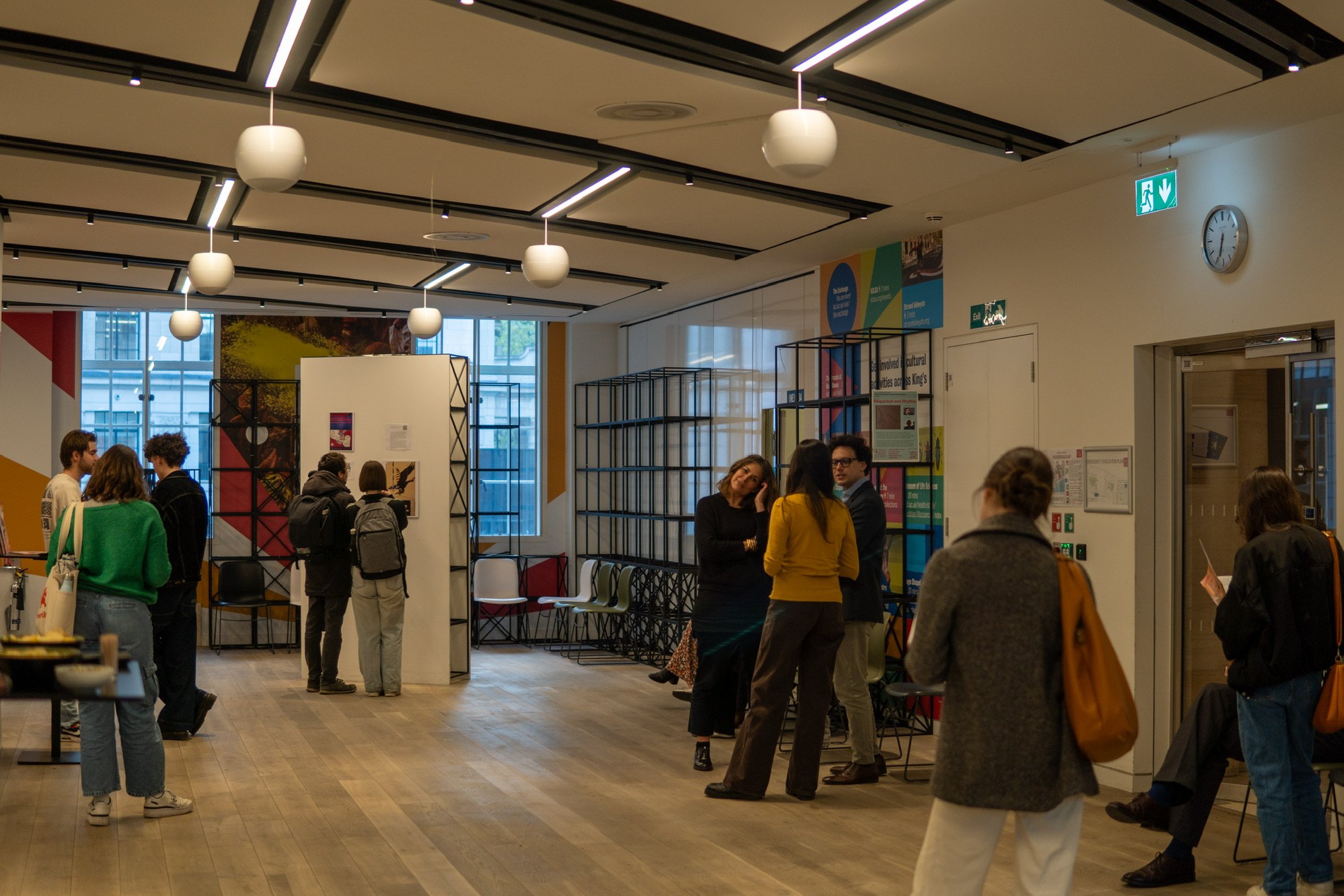
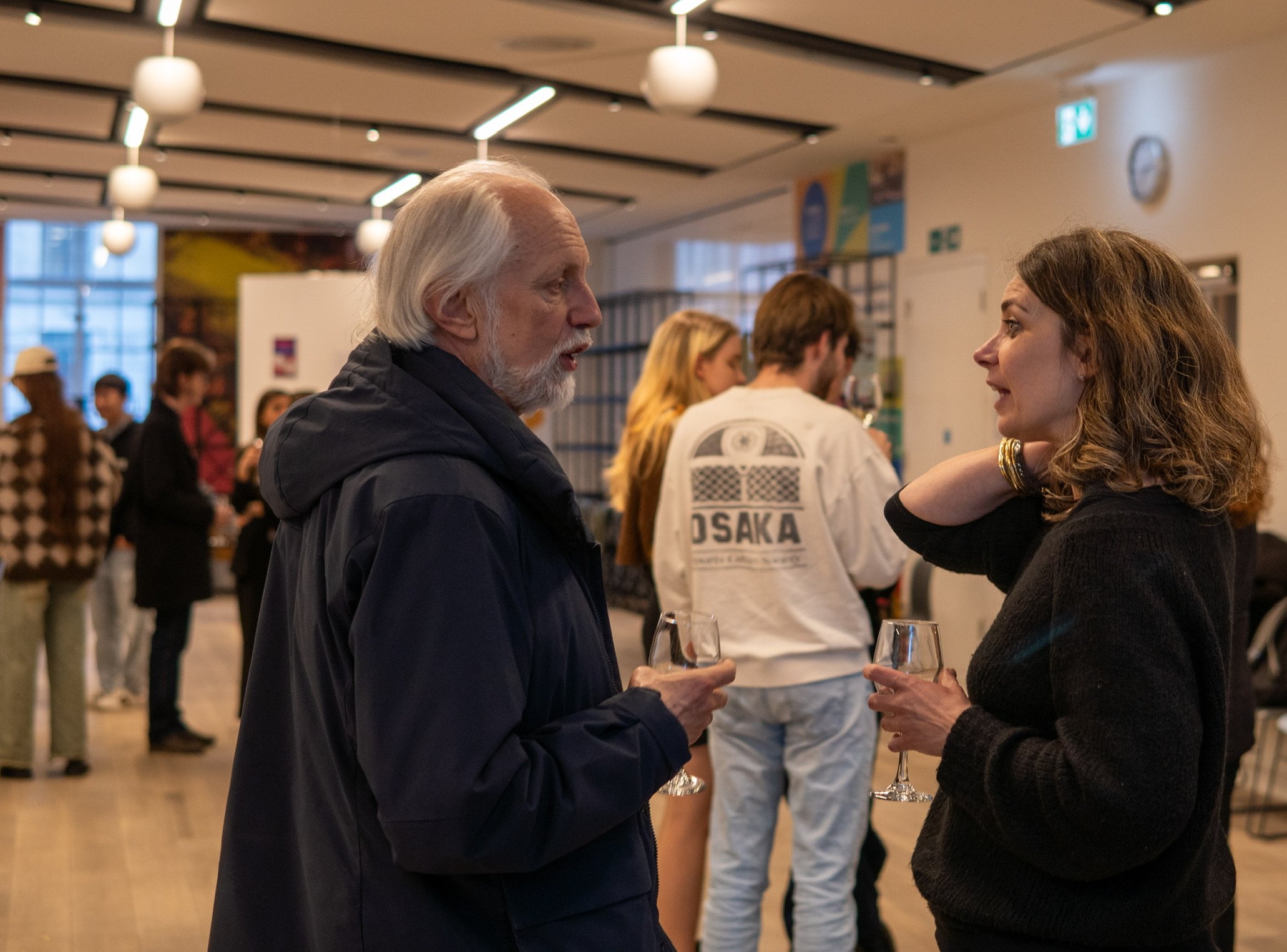
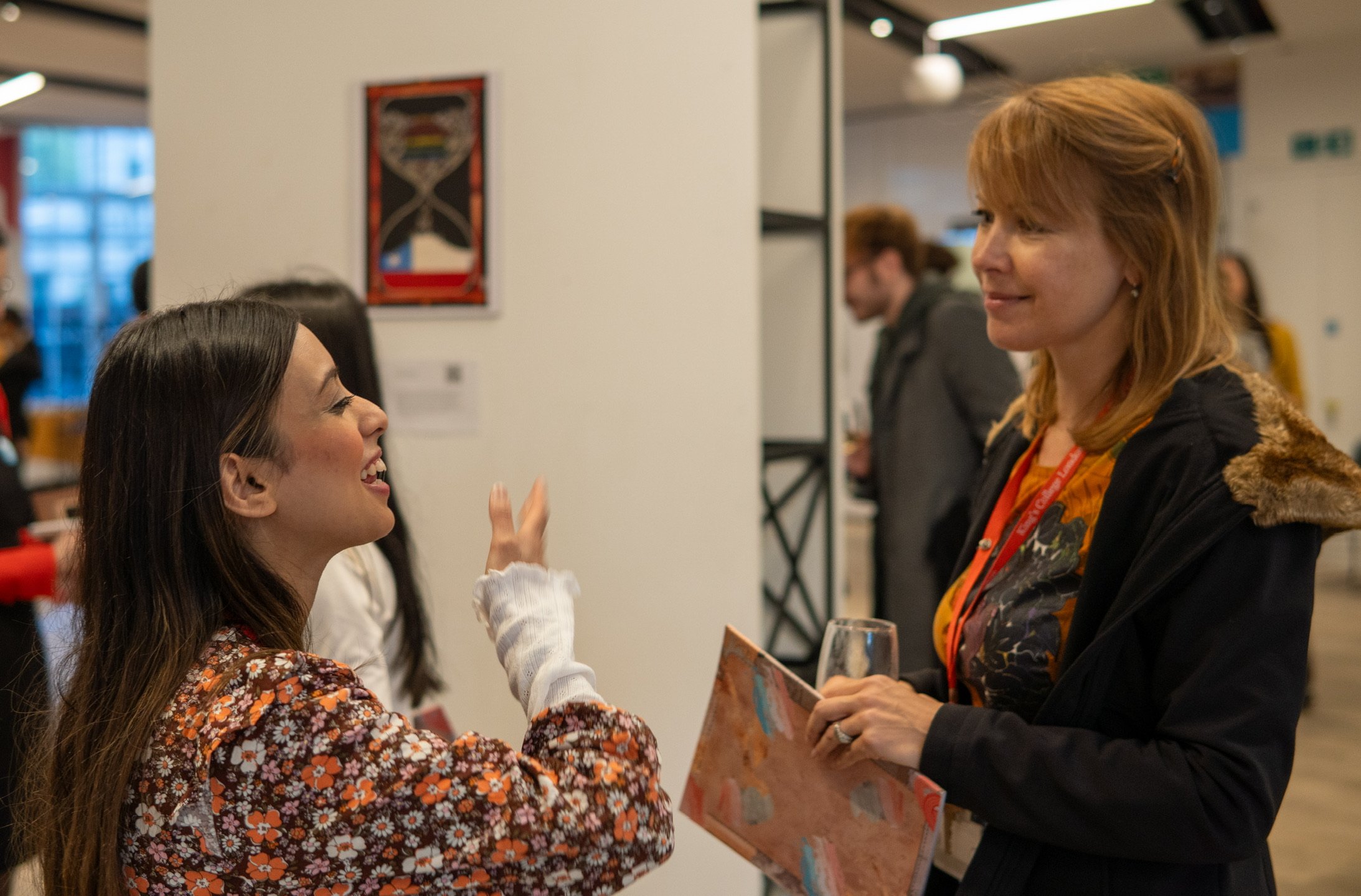

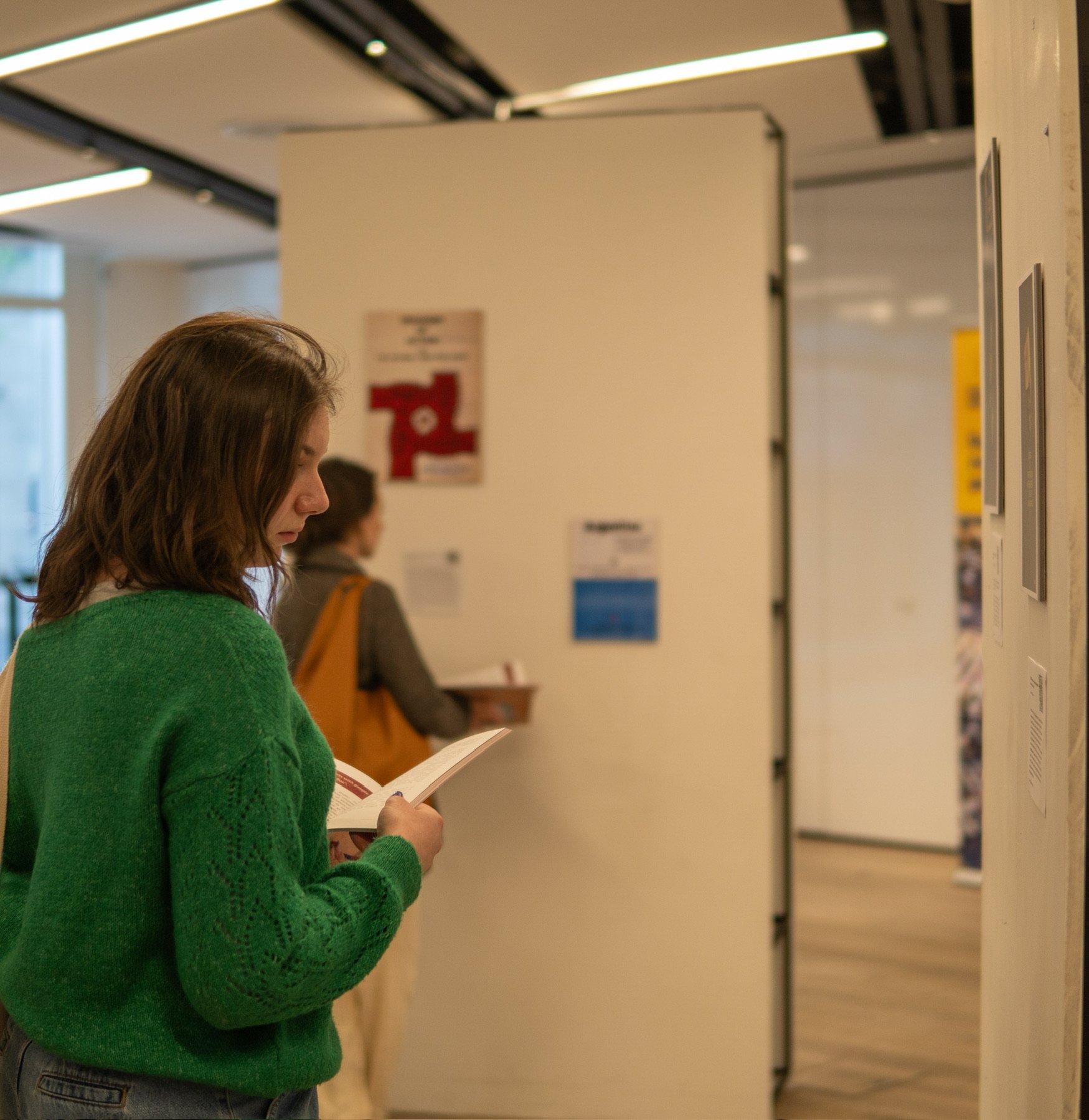
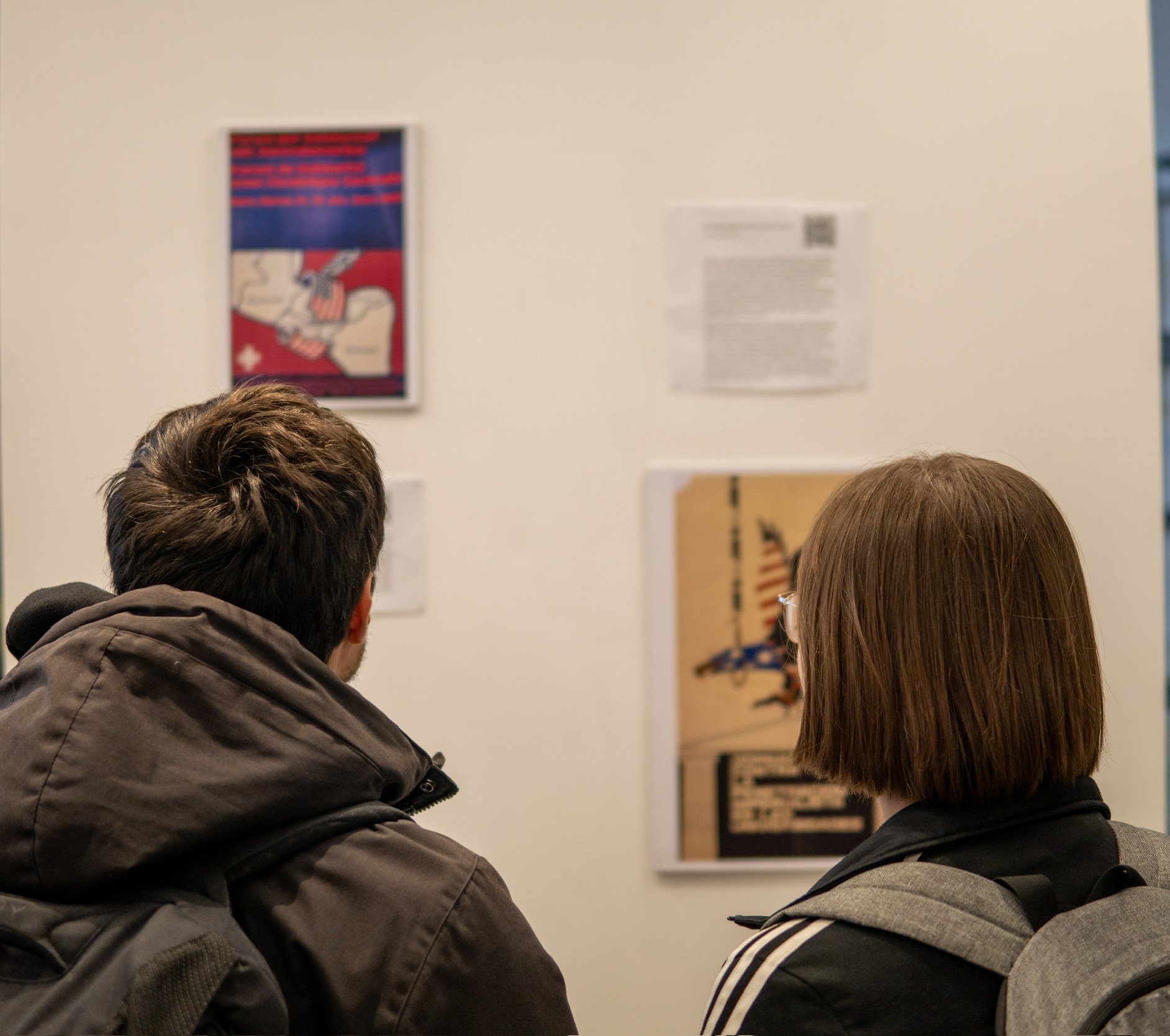
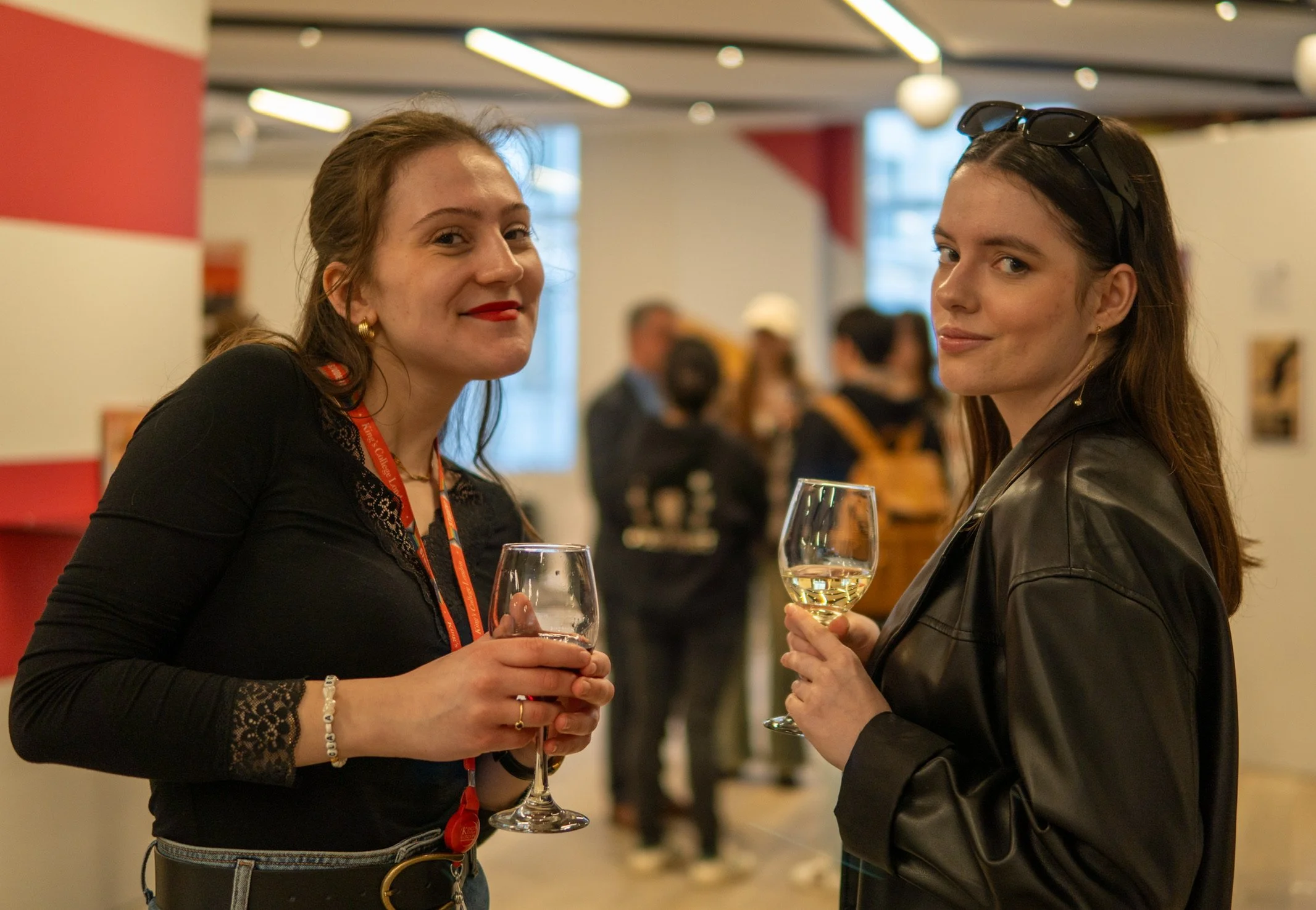

Hear from the 2024 Team!
“As the European education system does not dive deep into the history of Latin America, I was excited to broaden my knowledge of this field through Thinking Inside The Box. It has been an eye-opening journey of exploration and analysis of revolutions. Very proud to be a part of this project.”
— Reti Tauts: Editorial and podcast TEAM leader, PROJECT CO-ORDINATION, VISUAL and written MEDIA TEAM
“The project has been an exciting and fascinating way for me to explore the intricacies of Latin America and its revolutions.”
— AGNE REKETYE: PR AND COMMUNICATIONS TEAM, PROJECT CO-ORDINATION, VISUAL AND SOCIAL MEDIA TEAM
“Participating in this project has been rewarding in many ways. I have gained a lot of knowledge about Latin American history and this project has equipped me with many transferable skills.”
— Rayhana: PR and Communications team, project co-ordination, Visual and social media team and exhibition co-ordination teaM
“Working for the project persuaded me that sometimes thinking inside the box can be not only useful but worthy! Putting things into context and connecting the dots of history is vital in our days!”
— Maria THEODOROU: Visual and social media team and podcast team
“Thinking Inside the Box reminded me that past experience, if not forgotten, is a guide for the future. It has been a great pleasure for me to be part of the exhibition team, bringing Latin American revolutionary history back to the spotlight from archive boxes and making it part of the memory of a wider audience.”
— Jiaying Qian: Exhibition Co-ordination team
“I have always engaged with Latin American politics from afar. Latin Americans are passionate and it shows through their drive and strong will for political change! Knowing more about these revolutions through art enriched my understanding of the role of students in political movements as I encountered the posters of the Continental Organization of Latin American and Caribbean Students (OCLAE), an experience that made possible through Thinking Inside the Box!”
— Muzna alhaj: podcast team, exhibition co-ordination team
festival programme
-
LOCATION - Nash lecture theatre 2.31, King's Building, King's College
DATE - 17TH April 2024
A free pre-festival Thinking Inside the Box movie screening - Argentina 1985, the legal investigation story of prosecuting the heads of Argentina's military dictatorship.
-
LOCATION -The Exchange, Bush House North East Wing, King's College London
DATE - 29th April 2024
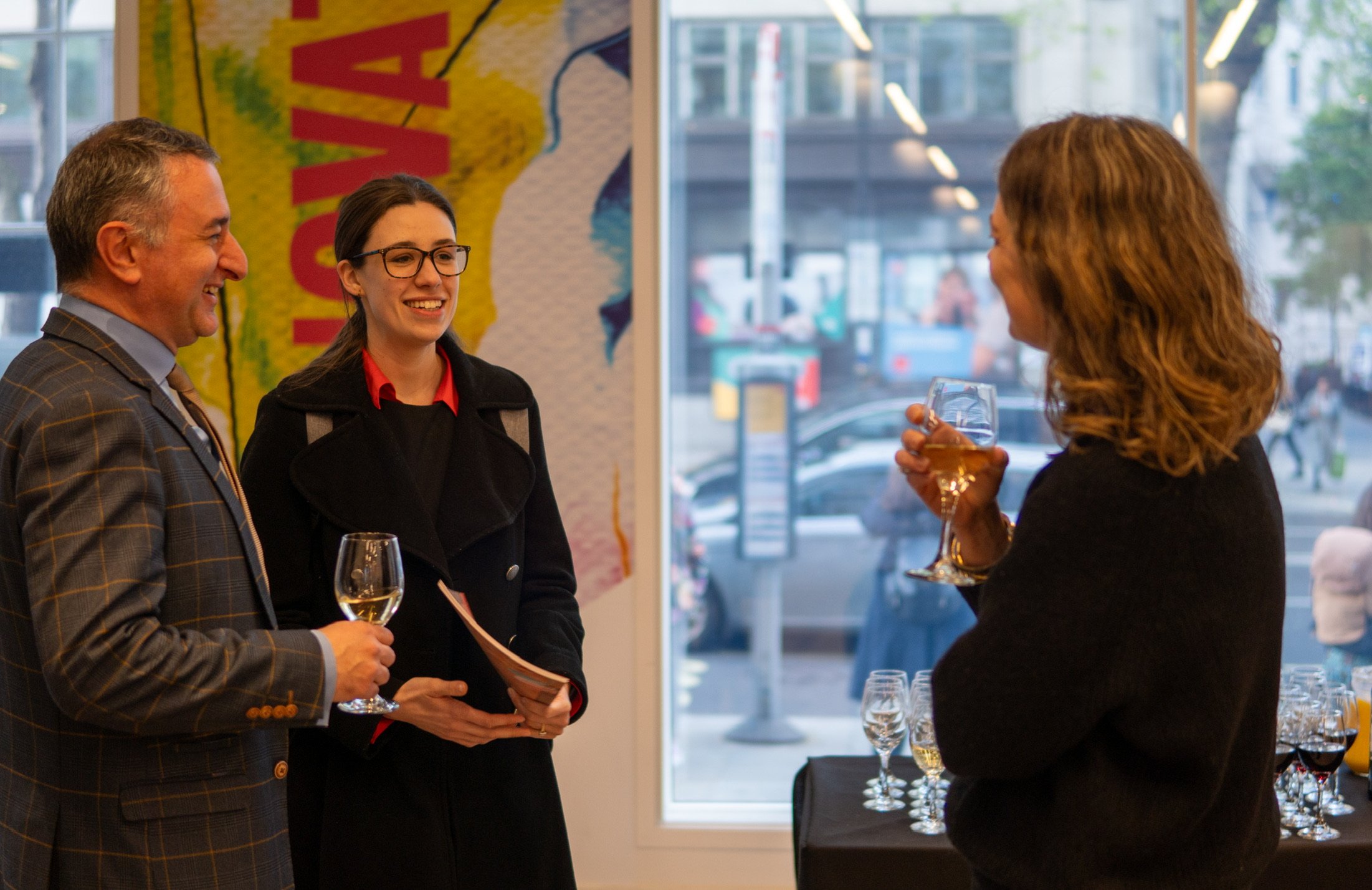
Join us for the exhibition opening of Thinking Inside the Box project! This year's theme will explore the revolutions in Latin America. Free drinks and refreshments provided. Open to the public, anyone can join!
Thinking Inside the Box is a decolonial pedagogical framework that aims to create transformative, liberatory learning experiences through a critical engagement with archives from the Senate House Library. Led by students from KIng's College London and Leeds University, this year's exhibition will look at political pamphlets from Latin America to explore the different lenses of revolutions.
-
LOCATION - South East Bush House, King's College London
DATE - 30th April 2024
A special lecture from Sofia Venturoli as part of the Thinking Inside the Box festival week. Sofia explored the discourses of indigenous women's movements in Latin America.
Sofia Venturoli teaches Latina American Anthropology, Latina American Studies and Political Anthropology at the University of Turin. She carried out ethnographic and archival research in various contexts in Latin America and is currently a coordinator of the MAECI - Unito project Community, Archives, Territories. Historical-anthropological mission in the northern Andes: Ecuador, Peru. Her main research interests include sociocultural changes among Latin American indigenous groups, indigenous political participation in urban and rural areas and many more.
-
DATE - 3rd May 2024
Watch the performance on YouTube.
An evening of great music. Thinking Inside the Box hosted a magical evening of music as the final event of the project, exploring revolutions in Latin America.
Santa María de Iquique is a cantata composed in 1969 by the Chilean composer Luis Advis Vitaglich, combining elements of both classical and folkloric/indigenous musical traditions. The theme of the cantata is a historical industrial dispute that ended with the massacre of miners in the northern Chilean city of Iquique in 1907. The cantata expresses the struggle between the miners and their exploiters. This cantata is a claim for the end to exploitation and an egalitarian and free world.
King’s Brazil Ensemble performed in this concert a string orchestra version of the cantata, arranged by Osiel Vega Durán, in 2007.